The Wiert Corner – irregular stream of stuff

Jeroen W. Pluimers on .NET, C#, Delphi, databases, and personal interests

  • My badges

  • Twitter Updates

  • My Flickr Stream

  • Pages

  • All categories

  • Enter your email address to subscribe to this blog and receive notifications of new posts by email.

    Join 1,861 other subscribers

Archive for the ‘Hardware Development’ Category

Skin effect – Wikipedia

Posted by jpluimers on 2019/09/23

Skin effect – Wikipedia:

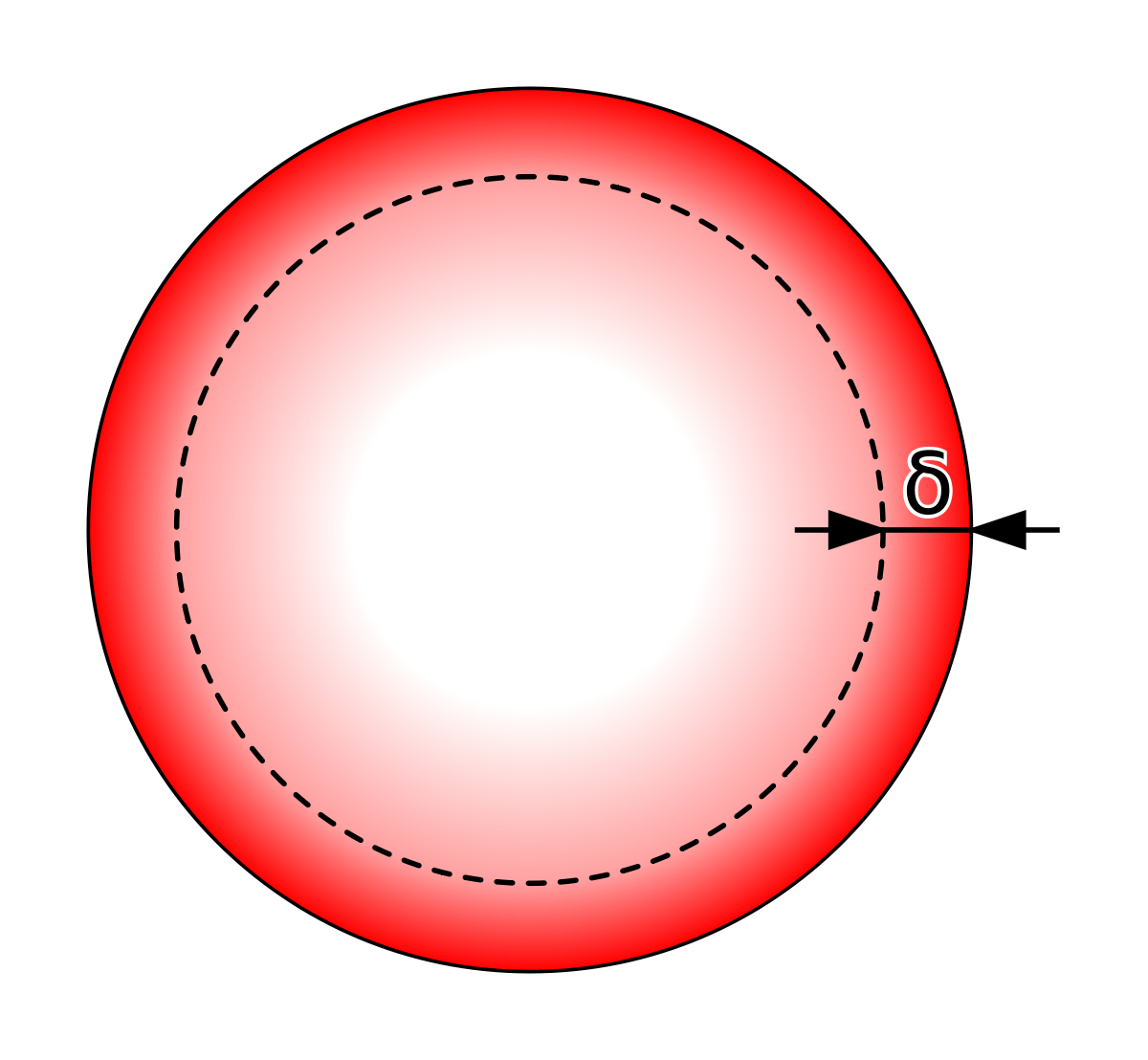
Skin effect is the tendency of an alternating electric current (AC) to become distributed within a conductorsuch that the current density is largest near the surface of the conductor, and decreases with greater depths in the conductor. …

At high frequencies the skin depth becomes much smaller. … Because the interior of a large conductor carries so little of the current, tubular conductors such as pipe can be used to save weight and cost.

Via [WayBack] Odd: “copper” central lead of antenna cable attracted by magnetic screwdriver tip. – Jeroen Wiert Pluimers – Google+

–jeroen


Posted in Development, Hardware Development, LifeHacker, Power User | Leave a Comment »

LED Voltage Drops

Posted by jpluimers on 2019/09/19

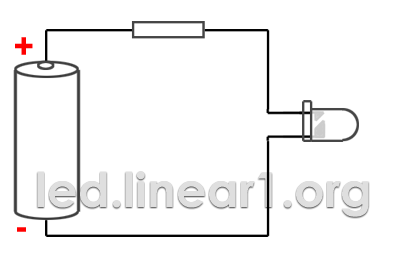
[WayBackDangerous Prototypes: Basic Light Emitting Diode guide – Voltage drop or forward voltage has a nice table of common LED types:
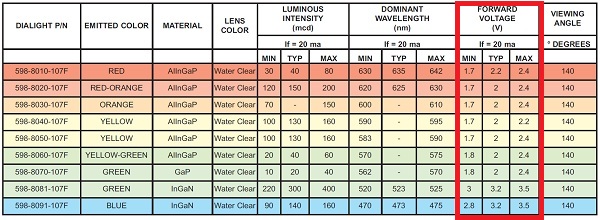
You can also measure them yourself using most multi-meters have setting for that as described in [WayBack] Easy way to figure out a LED’s Vf in order to pick an appropriate resistor – Electrical Engineering Stack Exchange

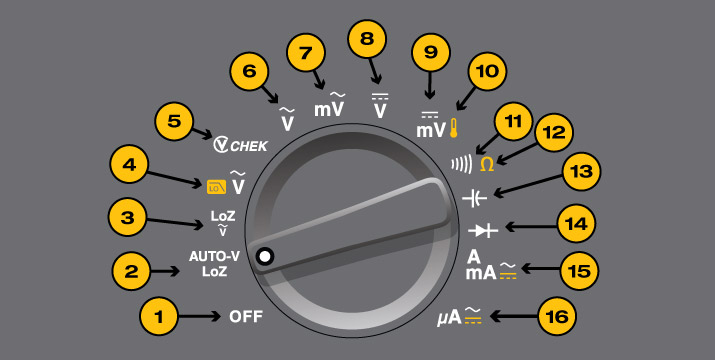
You can also measure yourself, but my Proster VC99 multi-meter (cheap, but functions well, see for instance the review in [WayBack] MagPi issue 43) can measure voltage drop, so I’ve measured some LEDs from old PC cases:

  • Red: 1.8 V
  • Yellow: 1.8 V
  • Green: 1.8 V
  • Blue: does not measure

Given that they all have the same voltage drop, I made the below table with some resistor values to get the same current through them on various voltages (3.3V, 5V and 12V) based on Standard resistor values.

Note anything less than 20mA of current usually is OK (though 20mA often is on the bright side).

LED Colour Voltage drop (Vf) Total Voltage Remaining Voltage Resistance Ω Current mA Power mW
Any 1.8 5 3.2 220 14.55 46.55
Any 1.8 12 10.2 680 15.00 153.00
Any 1.8 3.3 1.5 100 15.00 22.50
Any 1.8 5 3.2 330 9.70 31.03
Any 1.8 12 10.2 1000 10.20 104.04
Any 1.8 3.3 1.5 150 10.00 15.00
Any 1.8 5 3.2 470 6.81 21.79
Any 1.8 12 10.2 1500 6.80 69.36
Any 1.8 3.3 1.5 220 6.82 10.23

Background for doing these calculations:

–jeroen

Read the rest of this entry »

Posted in Development, Hardware Development | Leave a Comment »

(53) Introducing the “Lab in a Box” Concept – Patrick Titiano & Kevin Hilman, BayLibre – YouTube

Posted by jpluimers on 2019/08/13

Related: Introducing The “Lab in a Box” Concept (ELC-E-2017-Prague).pdf

Via:

–jeroen

Read the rest of this entry »

Posted in Development, Hardware, Hardware Development, Hardware Interfacing, Power User, Raspberry Pi, Software Development | Leave a Comment »

Cable salad is of all times: 1964 analog computers; Moog syntesizers

Posted by jpluimers on 2019/08/01

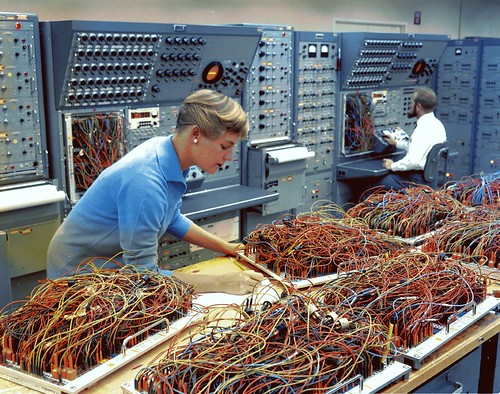
This picture on Flickr of Engineer Karen Leadlay in an analog computer lab at General Dynamics, January 1964 shows that cable salad is of all times.

Atlas Collection Image

Via:

The above threads have really nice comments, including pointers to for instance the [WayBack] Moog synthesizer – Wikipedia  (lots of you remember the songs by Keith Emerson).

–jeroen

Read the rest of this entry »

Posted in Development, Fun, Hardware Development | Leave a Comment »

Sonoff Wireless Switch Family Gets a $3 IP66 Waterproof Enclosure

Posted by jpluimers on 2019/07/15

Interesting stuff from a while back that I will be using soon: [WayBack] Sonoff Wireless Switch Family Gets a $3 IP66 Waterproof Enclosure.

Pictures via CNX Software; originally found via [WayBack] $2.90 waterproof case for +ITEAD Studio Sonoff switches… – Jean-Luc Aufranc – Google+

–jeroen

Read the rest of this entry »

Posted in Development, ESP8266, Hardware Development, IoT Internet of Things, Network-and-equipment, Power User | Leave a Comment »

No IPMI? Use a Raspberry Pi to remotely control the power of your computer

Posted by jpluimers on 2019/07/12

Interesting project: [WayBack] WtRPM: A Web-based (Wt) suite to power up/down your computers – mupuf.org

It hooks a RaspberryPi to your ATX power supply.

Via: [WayBack] gpio – Use Raspberry Pi to control PC’s power switch – Raspberry Pi Stack Exchange

–jeroen

Posted in Development, Hardware Development, Hardware Interfacing, Raspberry Pi | Leave a Comment »

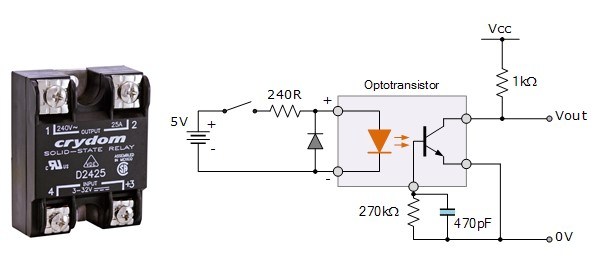
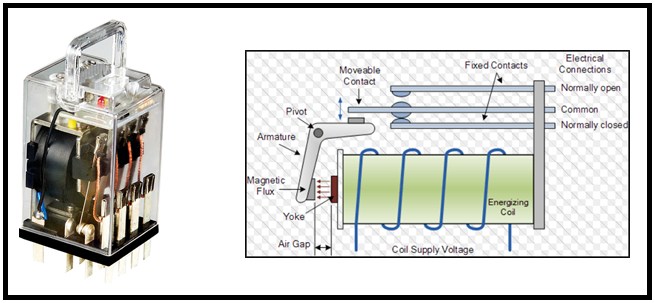
Solid State vs. Electromechanical Relays | Arrow.com

Posted by jpluimers on 2019/06/27

For my reading list: [WayBack] Solid State vs. Electromechanical Relays | Arrow.com

When you need a power switching solution, you are faced with two competing technologies – electromechanical relays and solid state relays. So which is the right choice for your design?

Keywords: SSR versus EMR, SPDT

via:

–jeroen

Posted in Development, Hardware, Hardware Development, Power User | Leave a Comment »

Relays and Arduino / ESP8266 / ESP8266X

Posted by jpluimers on 2019/06/19

As a follow-up on Raspberry Pi and relays – follow up on Having one Raspberry Pi reset another Raspberry Pi through relay or transistor some of my research links to bring this to Arduino, ESP8266, ESP8266X and similar devices:

–jeroen

Posted in Arduino, Development, ESP8266, ESP8266X, Hardware Development | Leave a Comment »

Because FTDI history: Why is the atmega chip reset three times during programming? – Arduino Stack Exchange

Posted by jpluimers on 2019/06/18

For historic reference: [WayBackWhy is the atmega chip reset three times during programming? – Arduino Stack Exchange.

TL;DR:

It is to ensure the device is being reset, no matter which driver you use and how odd that driver behaves.

So what you are seeing there is

  1. first a brief toggle of DTR by the IDE to force a reset,
  2. then avrdudeopening the port and DTR going low,
  3. then finally the IDE toggling DTR again one last time to force a final reset.

–jeroen

Posted in Development, Hardware Development | Leave a Comment »

Powering Raspberry Pi – schematics

Posted by jpluimers on 2019/06/13

Reminder to self to check out these schematics and find out how I got them in the first place.

Related: UPS Pico in Raspberry Pi as CD changer in pre 09/2002 E46 BMW 320i touring, “switchless nicd nimh battery charger circuit diagram”

–jeroen

Read the rest of this entry »

Posted in Development, Hardware Development, Raspberry Pi | Leave a Comment »