The Wiert Corner – irregular stream of stuff

Jeroen W. Pluimers on .NET, C#, Delphi, databases, and personal interests

  • My badges

  • Twitter Updates

  • Pages

  • All categories

  • Enter your email address to subscribe to this blog and receive notifications of new posts by email.

    Join 1,839 other subscribers

When you have physical access to a machine, assume it is compromised

Posted by jpluimers on 2020/02/24

When you have physical access to a machine, assume it is compromised.

Sometimes the compromise can be as simple as a HID device access:

–jeroen

Read the rest of this entry »

Posted in Power User, Security | Leave a Comment »

Tomato by shibby – upgrade procedure and cfg backup | LinksysInfo.org

Posted by jpluimers on 2020/02/24

Reminder to self: [WayBackTomato by shibby – upgrade procedure and cfg backup | LinksysInfo.org:

I keep a text file with the changes I’ve made after a fresh install and I keep the file updated as I make changes.

Re-configuring the router after that takes a bit of time, but it is not that bad. Toastman’s method (here) noted above as well as the methods described here and here can also be used, but I haven’t tried them.

which references:

–jeroen

Posted in Internet, Power User, routers, TomatoUSB | Leave a Comment »

Which encoding failure did encode “vóór” into “v3/43/4r”? – Stack Overflow

Posted by jpluimers on 2020/02/24

From quite some time ago, but still very relevant as encoding issues keep occurring:

A while ago, I saw the text “v3/43/4r” in a document.I know it comes from “vóór” (the acute accent emphasises in Dutch), and wonder which encoding failure was applied to get this wrong.

Source: [WayBackWhich encoding failure did encode “vóór” into “v3/43/4r”? – Stack Overflow

From the [WayBack] answer by rodrigo:

  • ó: is U+00F3, and occupies the same codepoint (0xF3) in a lot of different encodings (most ISO-8859-* and most western Windows-*).
  • In CP850 the codepint 0xF3 is ¾ (U+00BE), that is the three-quarters character. It is the same in other, less used, codepages (CP775, CP856, CP857, CP858).
  • The ¾ is sometimes transliterated to 3/4 when the character is not directly available.

And there you are! “vóór” -> “v¾¾r” -> “v3/43/4r”.

The first part (ó -> ¾) is the usual corruption of ANSI vs. OEM codepages in the Western Windows versions (in my country ANSI=Windows-1252, OEM=CP850). You can see it easily creating a file with NOTEPAD, writing vóór and dumping it in a command prompt with type.

–jeroen

Posted in CP850, Development, Encoding, Software Development, UTF-8, UTF8, Windows-1252 | Leave a Comment »

ESXi: Failed to reconfigure virtual machine… There are insufficient licenses to complete this operation.

Posted by jpluimers on 2020/02/21

Failed to reconfigure virtual machine W81Entx64-vs2017. There are insufficient licenses to complete this operation.

Searching for “There are insufficient licenses to complete this operation.” memory did not reveal much, so at first I thought I had a memory issue.
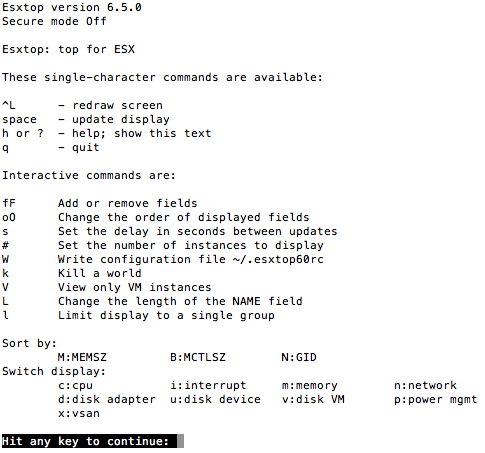
A quick look at esxtop in memory (m) mode indicated that was totally fine:

BTW: esxtop is a fantascit tool, with truckloads of information, so you should definitely read these:

Then something occurred to me:

The cause was that I tried to update the memory of an ESXi Windows VM which I thought I had shut-down from within Windows, but actually bumped an error message during the shutdown.

Shutting down properly (shutdown -s -t 0 in Windows), then increasing the memory worked fine:

Virtual machine W81Ent64-vs2017 was successfully reconfigured.

ESXi cannot increase the memory of a live system, hence the license error as per [WayBack] VMware Hot-Add: How and When to Use it:

One of the most common questions I receive on the daily management of virtual machines is if you should turn on hot-add features and why doesn’t VMware turn them on by default. The answer is very clear.

What are the requirements for Hot-add/Hot-plug:

  • Your virtual machines need to run at minimum hardware version 7.
  • Hot-add/Hot-Plug is not compatible with Fault Tolerance
  • vSphere Advanced, Enterprise or Enterprise plus.
  • Only hot-add is possible. You cannot “hot-remove” RAM or vCPUs.
  • Hot-Add/Hot-plug must be supported by the VM operating system!
  • Guest-OS licensing limitations need to be monitored and taken into consideration. You are changing the number of vCPUs/RAM!

–jeroen

Posted in ESXi6.5, Power User, Virtualization, VMware, VMware ESXi | Leave a Comment »

Swap and Memory Pressure: How Developers think to how Operations people think – The Isoblog.

Posted by jpluimers on 2020/02/21

Still a very insightful read: [WayBack] Swap and Memory Pressure: How Developers think to how Operations people think – The Isoblog.

I totally agree with the view Kristian Köhntopp presents which I usually call “fail early, fail hard, fail clearly”.

–jeroen

via: [WayBack] Swap and Memory Pressure: How Developers think vs. how Operations people think. – Kristian Köhntopp – Google+

Posted in DevOps, Power User | Leave a Comment »

5 Minutes Early Is On Time; On Time Is Late; Late Is Unacceptable

Posted by jpluimers on 2020/02/21

I agree with this, but used to be very bad at it: [WayBack] 5 Minutes Early Is On Time; On Time Is Late; Late Is Unacceptable

Being late is unacceptable. While that sounds harsh, it’s the truth and something that should be said more often. I don’t care whether you’re attending a dinner party, a conference call, or a coffee meeting — your punctuality says a lot about you.

A few things that helped me:

  • only attend things that are really important
  • reserve way enough time for travel and preparation

It’s still not perfect, but they help me things I had a hard time coping with:

  • planning way too much in a day (hence the only really important stuff)
  • making far to optimistic estimates for travel and preparation (now I do my estimate times 2 or better: 3)

Via: [WayBack] 5 Minutes Early Is On Time; On Time Is Late; Late Is Unacceptable – Marjan Venema – Google+

–jeroen

Posted in LifeHacker, Power User | Leave a Comment »

Delphi memory allocators and configuration notes in multi-threaded environments with high allocation/deallocation rates

Posted by jpluimers on 2020/02/20

From an interesting discussion at [Archive.is/WayBack] FaceBook: Delphi developer thread by Jarto Tarpio with some measurements by Jarto Tarpio and André Mussche.

  • Manipulation of strings and lists in Delphi have high memory allocation/deallocation rates, so HTTP related services with high call rates are affected more than regular services
  •  FastMM:
    • conditional defines that can help are NeverSleepOnThreadContention, UseSwitchToThread, and UseReleaseStack then measure.
    • has one huge advantage: It’s very, very good at keeping memory fragmentation at bay
    • default settings are for applications that use lots of CPU, but have no really high memory allocation/deallocation rates
    • has very good debugging facilities
    • Under FullDebugMode address space is never released back to the operating system so once the address space has been exhausted there is very little room to manoeuvre.
  • TCMalloc:
    • is very good at multi-threaded memory management with high allocation/deallocation rates
    • needs to be persuaded to releases memory to the OS:
      it only releases to the system under two occasions: Freeing another part of the memory, or asking it to release all parts marked as freed.

    • has no debugging facilities

The differences make it a challenge to integrate in your development and deployment process: because of the debugging facilities, you’d like FastMM in all your environments, but TCMalloc in multi-threaded environments with high allocation/deallocation rates.

One possibility is to have your CI environment deliver both in all stages, run all tests on both, then choose the final one depending on your run-time configuration.

That gives a burden on configuring your Continuous Integration, but the gain might outweigh this cost.

Relevant links from the Facebook thread:

–jeroen

Posted in Delphi, Development, FastMM, Software Development | 5 Comments »

More great free Python books

Posted by jpluimers on 2020/02/20

A while ago I wrote about Until 20171201 you can get free access to “Automate the Boring Stuff with Python”?.

That book is still free. And these great books are too:

Via: [WayBack] Cracking Codes with Python by @AlSweigart teaches complete beginners how to program in Python. The book features the source code to several ciphers and … – ThisIsWhyICode – Google+

–jeroen

Posted in Development, Python, Scripting, Software Development | Leave a Comment »

Writing a Time Series Database from Scratch | Fabian Reinartz

Posted by jpluimers on 2020/02/20

Long read but very much worth it: [WayBack] Writing a Time Series Database from Scratch | Fabian Reinartz.

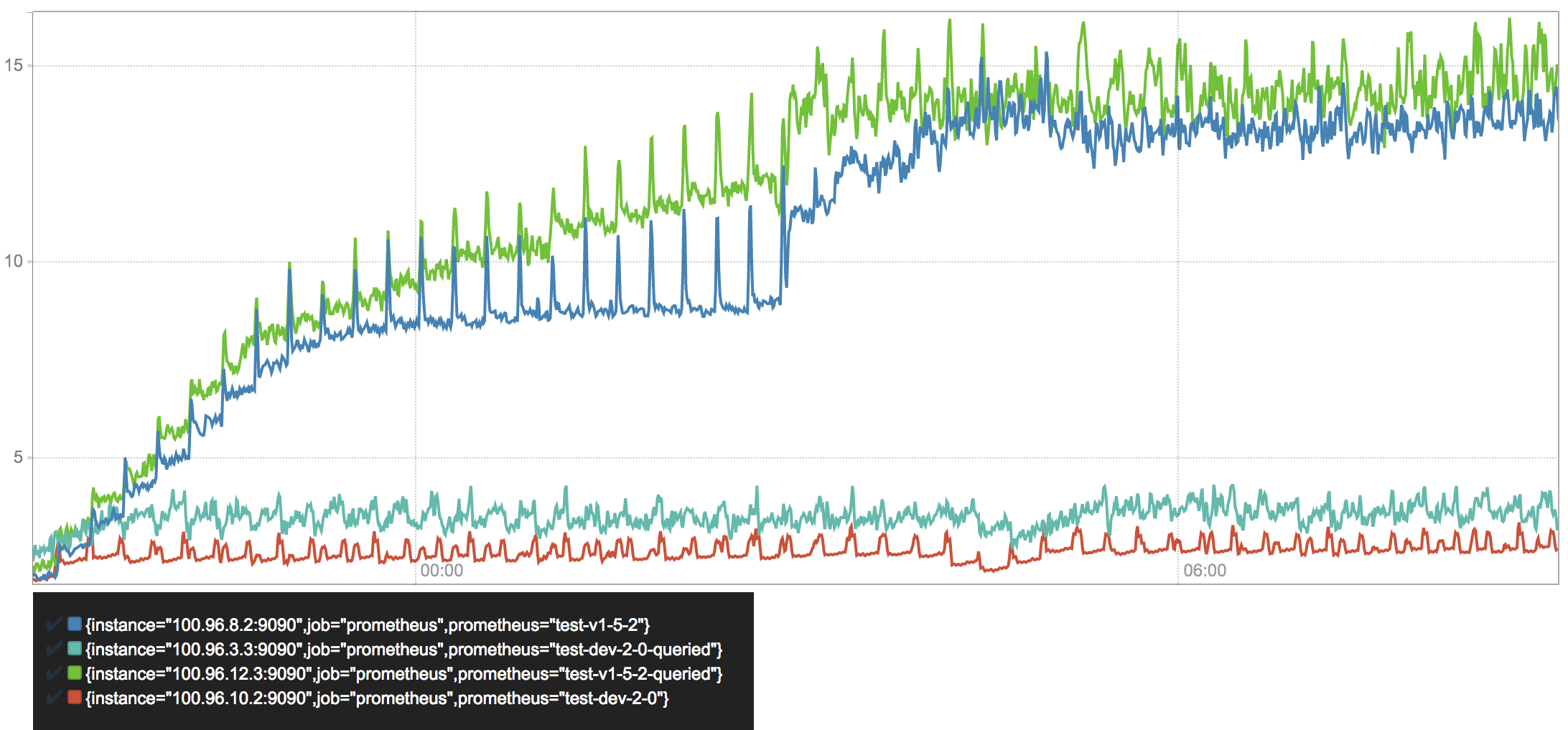
On using the file systems strengths for a flexible time series database that is both fast to write, and read millions of data points per second.

via:

Similarly interesting: [WayBack] Translations: This article was translated to Simplified Chinese by Xiong Duo and to Korean by Matt Lee (이 성욱). Introduction I want to make solid-state

–jeroen

Posted in Development, Power User, Software Development, Systems Architecture | Leave a Comment »

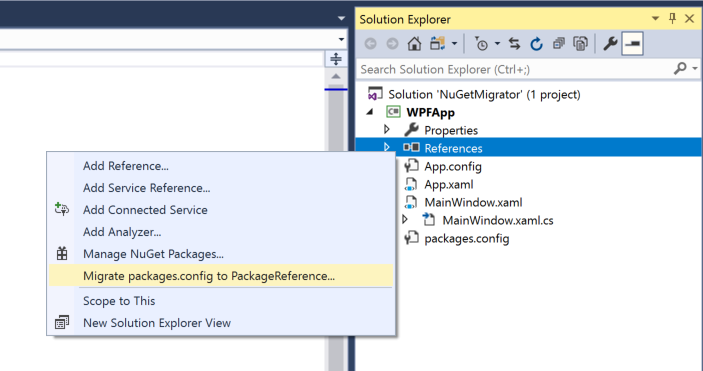
NuGet: migrate from packages.config to PackageReference with 3 clicks

Posted by jpluimers on 2020/02/19

Since I often forget to cleanup some bits of a migration: [WayBack] Migrate to PackageReference with 3 clicks:

Related:

–jeroen

Posted in .NET, Development, Software Development, Visual Studio 2015, Visual Studio 2017, Visual Studio and tools | Leave a Comment »