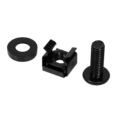
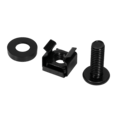
AC113 – Mounting Set M6, metal, black, 20pcs
AC116 – Mounting Set M6, metal, black, 50pcs
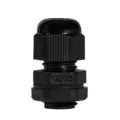
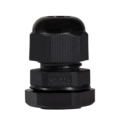
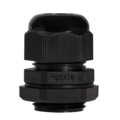
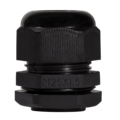
CG0M12B – Cable gland M12, set with 10pcs., IP68, black
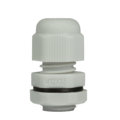
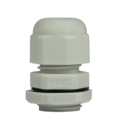
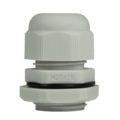
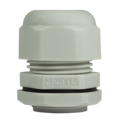
CG0M12G – Cable gland M12, set with 10pcs., IP68, light grey
CG0M16B – Cable gland M16, set with 10pcs., IP68, black
CG0M16G – Cable gland M16, set with 10pcs., IP68, light grey
CG0M20B – Cable gland M20, set with 10pcs., IP68, black
CG0M20G – Cable gland M20, set with 10pcs., IP68, light grey
CG0M25B – Cable gland M25, set with 10pcs., IP68, black
CG0M25G – Cable gland M25, set with 10pcs., IP68, light grey
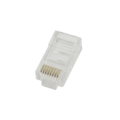
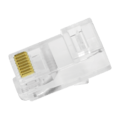
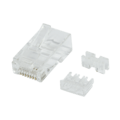
MP0002 – Modular Plug CAT5e unshielded 100 pcs
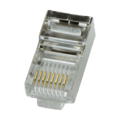
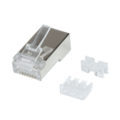
MP0003 – Modular Plug CAT5e shielded 100 pcs
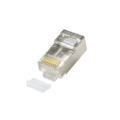
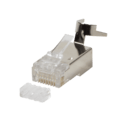
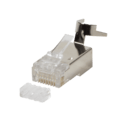
MP0004 – Modular Plug CAT5 shielded with insert 100 pcs
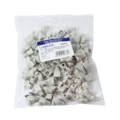
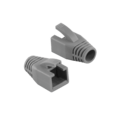
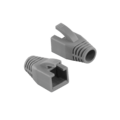
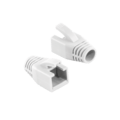
MP0005 – Strain Relief Hoods for Modular Plugs 100 pcs grey
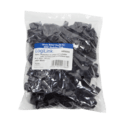
MP0006 – Strain Relief Hoods for Modular Plugs 100 pcs black
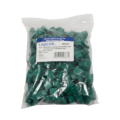
MP0007 – Strain Relief Hoods for Modular Plugs 100 pcs green
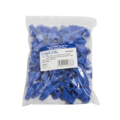
MP0008 – Strain Relief Hoods for Modular Plugs 100 pcs blue
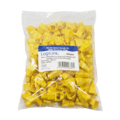
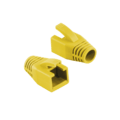
MP0009 – Strain Relief Hoods for Modular Plugs 100 pcs yellow
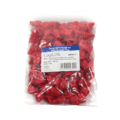
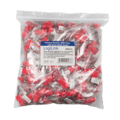
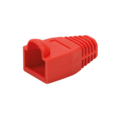
MP0010 – Strain Relief Hoods for Modular Plugs 100 pcs red
MP0011 – Modular Plug CAT5e with Strain Relief Hood grey 100 pcs
MP0012 – Modular Plug CAT5e with Strain Relief Hood black 100 pcs
MP0013 – Modular Plug CAT5e with Strain Relief Hood green 100 pcs
MP0014 – Modular Plug CAT5e with Strain Relief Hood blue 100 pcs
MP0015 – Modular Plug CAT5e with Strain Relief Hood yellow 100 pcs
MP0016 – Modular Plug CAT5e with Strain Relief Hood red 100 pcs
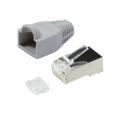
MP0021 – Plug Connector Cat.6 RJ45 100pcs. set, shielded, grey
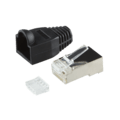
MP0022 – Plug Connector Cat.6 RJ45 100pcs. set, shielded, black
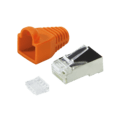
MP0022O – Plug Connector Cat.6 RJ45 100pcs. set, shielded, orange
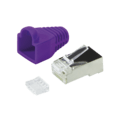
MP0022P – Plug Connector Cat.6 RJ45 100pcs. set, shielded, violet
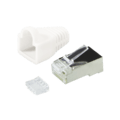
MP0022W – Plug Connector Cat.6 RJ45 100pcs. set, shielded, white
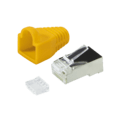
MP0022Y – Plug Connector Cat.6 RJ45 100pcs. set, shielded, yellow
MP0023 – Plug Connector Cat.6 RJ45 100pcs. set, unshielded, grey
MP0024 – Plug Connector Cat.6 RJ45 100pcs. set, unshielded, black
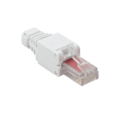
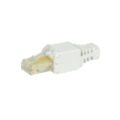
MP0025 – UTP Cat.6 Modular Plug Toolless type
MP0026 – Modular Plug Cat.5e UTP RJ45, toolless
MP0027 – Modular plug connector Cat.6 UTP RJ45 50ps – open front
MP0030 – Modular Plug Cat.6A RJ45 for Cat7,Cat.6A, Cat.6 cable, 10pcs. set, shielded
MP0033 – Modular Plug Cat.6A RJ45 for Cat7,Cat.6A, Cat.6 cable, 50pcs. set, shielded
MP0034 – Strain Relief Boot 8.0 mm for Cat.6 RJ45 plugs
MP0035 – Strain Relief Boot 8.0 mm for Cat.6 RJ45 plugs
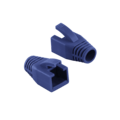
MP0035B – Strain Relief Boot 8.0 mm for Cat.6 RJ45 plugs, blue
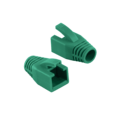
MP0035G – Strain Relief Boot 8.0 mm for Cat.6 RJ45 plugs, green
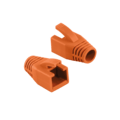
MP0035O – Strain Relief Boot 8.0 mm for Cat.6 RJ45 plugs, orange
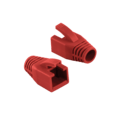
MP0035R – Strain Relief Boot 8.0 mm for Cat.6 RJ45 plugs, red
MP0035W – Strain Relief Boot 8.0 mm for Cat.6 RJ45 plugs, white
MP0035Y – Strain Relief Boot 8.0 mm for Cat.6 RJ45 plugs, yellow
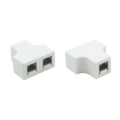
MP0039 – Modular T coupler Cat.5e 3 port RJ45 female, 1:1, UTP, white
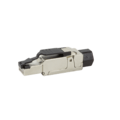
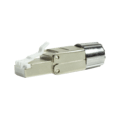
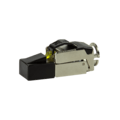
MP0040 – Cat.6A field assembly RJ45 plug
MP0041 – Field Assembly Cable Connector Cat.6A 10GE, fully shielded, metal
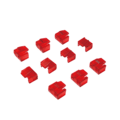
MP0042 – RJ45 port blocker (1x key, 10x locks)
MP0043 – RJ45 port blocker (10x locks)
MP0044 – Field Assembly RJ45 Plug Cat.6A 10GE, fully shielded, EconLine
MP0045 – Field Assembly RJ45 Plug Cat.6A 10GE, unshielded, EconLine
MP0046 – Field assembly Cat.6A cable connector, slim type
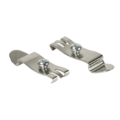
MP0049 – DIN-Rail mounting brackets, stainless steel, 2pcs.
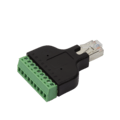
MP0050 – RJ45 male to 8 pin screw terminal adapter
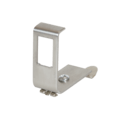
MP0051 – DIN-Rail adapter for 1x RJ45 Keystone modules, metal
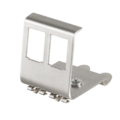
MP0052 – DIN-Rail adapter for 2x RJ45 Keystone module, metal
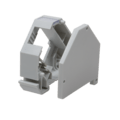
MP0053 – DIN-rail adapter for RJ45 keystone jack, 1-port, plastic
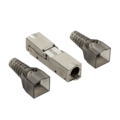
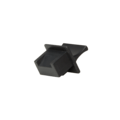
MP0060 – RJ45 Socket protector and dust cover, 100 pcs., black
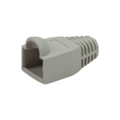
MP0063 – Strain relief boot 6.5 mm for RJ45 plugs, 50 pcs, grey
MP0064 – Strain relief boot 6.5 mm for RJ45 plugs, 50 pcs, black
MP0065 – Strain relief boot 6.5 mm for RJ45 plugs, 50 pcs, green
MP0066 – Strain relief boot 6.5 mm for RJ45 plugs, 50 pcs, blue
MP0067 – Strain relief boot 6.5 mm for RJ45 plugs, 50 pcs, yellow
MP0068 – Strain relief boot 6.5 mm for RJ45 plugs, 50 pcs, red
MP0070 – Modular plug Cat.6A STP RJ45 50pcs., for solid and stranded wire
MP0071 – Modular plug Cat.6A UTP RJ45 50pcs., for solid and stranded wire
MP0080 – Cat.8.1 field assembly RJ45 plug, EconLine
MP0080 – Cat.8.1 field assembly RJ45 plug, EconLine
MP0081 – CAT.8.1 Field Termination RJ45 Plug, PrimeLine
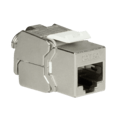
NK4000 – Keystone Jack RJ45 EconLine Cat.6A, 10 Gbps, shielded, STP 180°, tool free
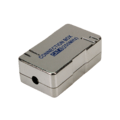
NP0012A – Cat.6 Connection Box for shielded and unshielded installation cables
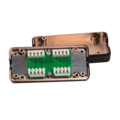
NP0012B – Connection Box for shielded and unshielded installation cables
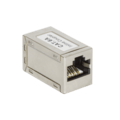
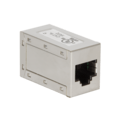
NP0025 – Inline Coupler 1:1 Cat.6A 10GE RJ45 STP, metal housing, ultra slim
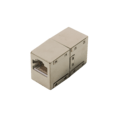
NP0026 – Inline Coupler 1:1 Cat.6A RJ45 STP, metal housing
NP0029 – Cat5E Modular Coupling 8P8C 1:1
NP0030 – Cat5E Modular Coupling 8P8C Crossover
NP0031 – Modular coupling for network cables
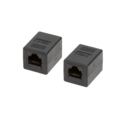
NP0034A – Inline Coupler 1:1 Cat.6 RJ45 UTP, black
NP0042 – T-Adapter RJ45 plug->2 x RJ45 jack 1:1 port doppler
NP0043 – T-Adapter RJ45 plug->2 x RJ45 jack 10/100BaseT – ISDN
NP0044 – T-Adapter RJ45 plug->2 x RJ45 jack 2 x 10/100BaseT
NP0045 – T-Adapter RJ45 plug->2 x RJ45 jack 2 x ISDN
NP0054 – Inline Coupler 1:1 Cat.6 RJ45 STP, metal housing
NP0080 – Outdoor patch cable connector RJ45 female/female, IP67 waterproof
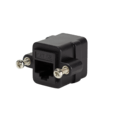
NP0098 – RJ45 coupler with mounting flange, 2 x RJ45 socket, Cat.5e
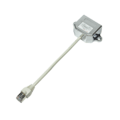
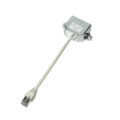
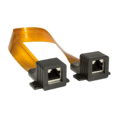
NP0099 – Ultra-slim RJ45 window feedthrough, 0.3 m, RJ45 F/F
NZ0001 – Patch cord color coding clips, 100 pcs
WP0006 – 19″ Mounting Rail for Canovate Wall Mounted Racks, 6U, retrofitting
WP0009 – 19″ Mounting Rail for Canovate Wall Mounted Racks, 9U, retrofitting
WP0012 – 19″ Mounting Rail for Canovate Wall Mounted Racks, 12U, retrofitting
WP0015 – 19″ Mounting Rail for Canovate Wall Mounted Racks, 15U, retrofitting
WP0018 – 19″ Mounting Rail for Canovate Wall Mounted Racks, 18U, retrofitting
WP0021 – 19″ Mounting Rail for Canovate Wall Mounted Racks, 21U, retrofitting







 The Wiert Corner - irregular stream of stuff