The Wiert Corner – irregular stream of stuff

Jeroen W. Pluimers on .NET, C#, Delphi, databases, and personal interests

  • My badges

  • Twitter Updates

  • My Flickr Stream

  • Pages

  • All categories

  • Enter your email address to subscribe to this blog and receive notifications of new posts by email.

    Join 1,839 other subscribers

Archive for the ‘Hardware Development’ Category

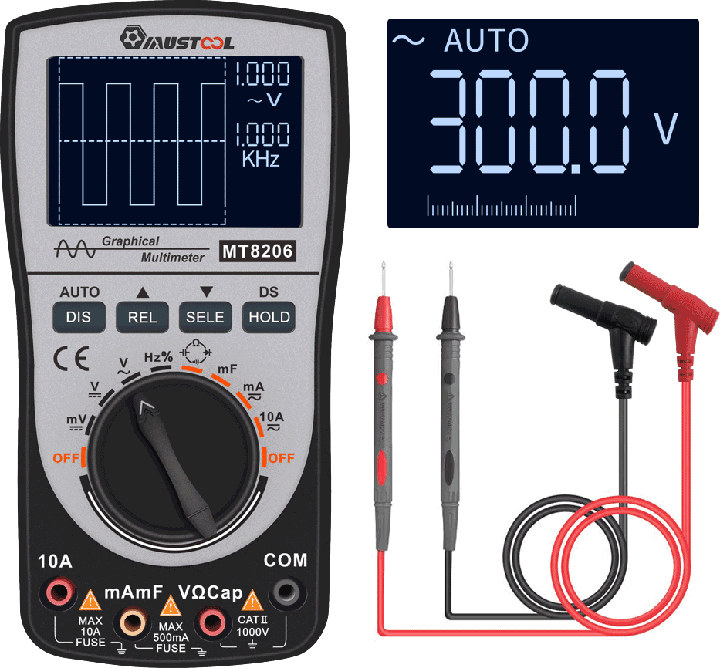
MUSTOOL MT8206 Multimeter & Oscilloscope Goes for $42 (Promo)

Posted by jpluimers on 2018/09/09

The coupon for the Promo worked yesterday, so you might want to try it if you like a scope in a multimeter form factor: [WayBack] MUSTOOL MT8206 Multimeter & Oscilloscope Goes for $42 (Promo).

MUSTOOL MT8206 looks like a standard digital multimeter, but the device is actually a 2-in-1 device that also serves as a oscilloscope. Banggood have the…

Via [WayBack] New 2-in-1 digital multimeter + oscilloscope selling for ~$42 shipped for a limited time – Jean-Luc Aufranc – Google+

–jeroen

Posted in Development, Hardware Development, Power User | Leave a Comment »

LiFePO4wered/Pi+ | Crowd Supply

Posted by jpluimers on 2018/09/07

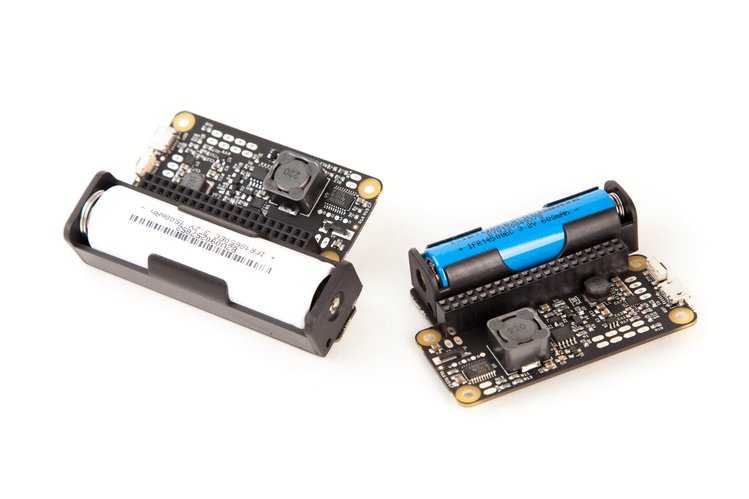
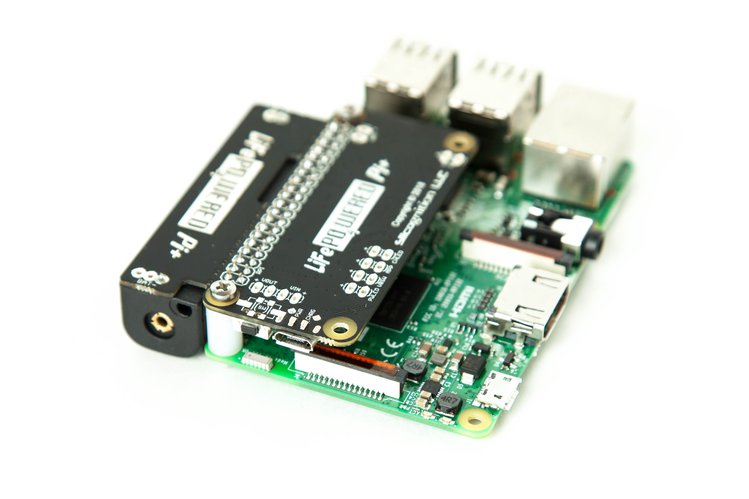
A few days left for [WayBack] LiFePO4wered/Pi+ | Crowd Supply: A full-featured LiFePO4 battery, power manager, and UPS for the Raspberry Pi

via:

–jeroen


Posted in Development, Hardware Development, Power User, Raspberry Pi | Leave a Comment »

cool solution for precise point positioning (PPP) GPS/GLONASS navigation on Raspberry Pi…

Posted by jpluimers on 2018/08/31

cool solution for precise point positioning (PPP) GPS navigation.The RasPiGNSS “Aldebaran” expansion board fits onto the Pi’s expansion connector (named P1).

Source: Hi all, I found this cool solution for precise point positioning (PPP) GPS na…

Device: Dr. Franz Fasching » Products » GNSS » RasPiGNSS [WayBack]

–jeroen

Posted in Development, Hardware Development, IoT Internet of Things, Network-and-equipment, Power User, Raspberry Pi | Leave a Comment »

(35) Enabling New Hardware in U-Boot – Jon Mason, Broadcom Ltd. – YouTube

Posted by jpluimers on 2018/07/20

Lots of interesting information, especially these discussions where Alexander Graf chipped in:

The hand off of the boot loader to the actual OS payload. The payload and U-boot are in memory running at the same time. The payload can call back into U-boot through the uEFI API that U-boot implements so that the payload provides extra drivers enabling for instance a subsequent graphical stage (splash screen, menus, etc), more hardware access and so on. You even could pass ACPI tables through U-boot to the payload and help shooting yourself in the foot.

Important aspects for upstreaming:

  • keep commits short so they are easy to review
  • make sure patches are always rebaseable for each and every commit set (so it compiles throughout)
  • this tremendously helps doing a git bisect
  • it makes adding features that other parts depend on hard: you need to think on chicken & egg situations in advance

–jeroen


Posted in *nix, Development, Hardware Development, Linux, Power User, Software Development, U-Boot | Leave a Comment »

Hacking the Logitech C920 & C930e Webcams – Graves On SOHO Technology

Posted by jpluimers on 2018/07/20

This could turn out in a way better quality and cheaper CCTV system than Ring offers: [WayBackHacking the Logitech C920 & C930e Webcams – Graves On SOHO Technology.

via: [WayBack] Until recently I did not know that this was possible, but people are hacking the venerable Logitech C920 and C930e webcams. – Lars Fosdal – Google+

–jeroen

Some nice pictures of stereo camera configuration by Joe C Hecht at https://plus.google.com/+JeroenPluimers/posts/9T8u82E8rH2

Read the rest of this entry »

Posted in Development, Hardware Development, LifeHacker, Power User | Leave a Comment »

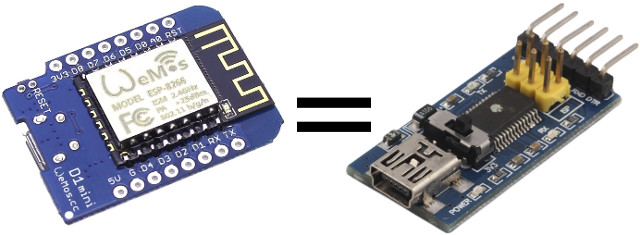
Transform Your ESP8266 Board into a USB to Serial Board Easily with Arduino Serial Bypass Sketch

Posted by jpluimers on 2018/07/11

An interesting re-use: [WayBackTransform Your ESP8266 Board into a USB to Serial Board Easily with Arduino Serial Bypass Sketch

Via: [WayBack] If you don’t have a USB to TTL board around, you can use an +ESP8266 board instead (or any other Arduino compatible boards with USB). – Jean-Luc Aufranc – Google+

–jeroen

Posted in Development, ESP8266, Hardware Development, IoT Internet of Things, Network-and-equipment, Power User | Leave a Comment »

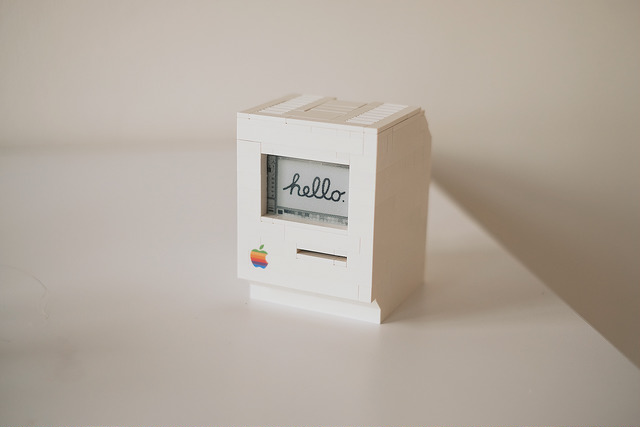
LEGO Macintosh classic with Wi-Fi and e‑paper display running docker

Posted by jpluimers on 2018/07/06

A Wi-Fi enabled 1990 Macintosh Classic built with LEGO, powered by a Raspberry Pi Zero running docker and a 2.7″ e-paper display by EmbeddedArtists.

Cool stuff!

Source: [Archive.isLEGO Macintosh classic with Wi-Fi and e‑paper display running docker

Via: [WayBack] This guy built a (kind of) working Lego Macintosh, and now you can too … | 9to5Mac

This should run well with a Classic Color Macintosh System 7 emulated on Raspberry Pi: [WayBack] On this tutorial I show you how to run Mac II OS color on your Raspberry PI, I have also included a compiled version for Windows. Running Mac OS 7 on Raspberry Pi with Color – Novaspirit

via:

ROM images: [WayBackIndex of /pub/software/ROM/Macintosh 68K

–jeroen

Read the rest of this entry »

Posted in Apple, Classic Macintosh, Development, Hardware Development, History, Macintosh SE/30, Power User, Raspberry Pi | Leave a Comment »

Raspberry Pi zero W notes

Posted by jpluimers on 2018/07/06

Launch dates:

Now you only need a memory card and a camera module to make a nice “CCTV” system with plenty of choice. More details here:

Depending on what and when you record video, you might want to consider an IR capable camera. In Raspberry Pi land, they call them NOIR (which stands for No IR, meaning they leave out the IR filter which means they can record IR).

–jeroen

Read the rest of this entry »

Posted in Development, Hardware Development, Power User, Raspberry Pi | Leave a Comment »

Cool 10-thousand piece domino bricks based computer that can add numbers

Posted by jpluimers on 2018/07/04

Very cool video based on these logic gates made from domino bricks:

The 4-bit calculator worked.

The 5-bit was set-up failed in part. That conclusion is at around 19:00.

A post mortem is at around 20:00: the machine was setup sizing it too small so the timing was too tight and didn’t work out.

–jeroen

Read the rest of this entry »

Posted in Development, Hardware Development, History | Leave a Comment »

Amazon Alexa on a Raspberry Pi (add a USB microphone and a speaker with a 3.5mm plug)

Posted by jpluimers on 2018/06/19

I never realised that Amazon Alexa has an open source account on GitHub: https://github.com/alexa

There are full instructions on getting a Java based Alexa Voice Service (AVS) – also used by Amazon Echo – to run on a Raspberri Pi (3 or better recommended, works on 2 as well) with this extra hardware:

  • USB microphone
  • Speaker with a 3.5mm audio plug
  • USB WiFi (essential for Raspberry Pi 2, optional if you want to boost your WiFi signal on a Raspberry Pi 3)

Full instructions are at Raspberry Pi · alexa/alexa-avs-sample-app Wiki and a video is below: https://www.youtube.com/watch?v=baec1CbV6A0

I should find some time to try this out (:

–jeroen

Read the rest of this entry »

Posted in Development, Hardware, Hardware Development, Hardware Interfacing, Software Development | Leave a Comment »