Posts Tagged ‘technology’
Posted by jpluimers on 2013/01/24
Very distracting: 404.
Thanks Julian (I just found out you also own a Dutch domain jmbk.nl/) for pointing to it (boy, some unproductive days ahead) and the cheat (in your browser, Open the JavaScript console, then paste and run the cheat code).
Thanks Romain for developing it.
When you read through his java script code files, remember that these french-english translations:
- etat == state
- tombe == fall
- paraOpen == opened parachute
- mort == dead
- flocon == flake
- taille == size
- vitesse == speed
- écrase == crash
- marche == walk
- neige == snow
--jeroen
via: Développeur Web sur Lille (59), Romain Brasier.
Posted in Development, JavaScript/ECMAScript, Power User, Scripting, Software Development, Web Development | Tagged: cheat code, french english translations, java script code, julian, software, technology, unproductive days | Leave a Comment »
Posted by jpluimers on 2013/01/20
Any geeks that already have this one?
If so, please let me know what you think of it.
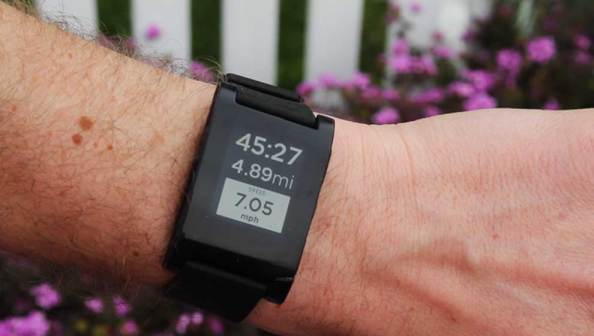
Pebble: E-Paper Watch for iPhone and Android
–jeroen
via: Pebble.
Posted in Android Devices, Apple, iOS, iPhone, Power User | Tagged: android, gadgets, geeks, iphone, technology | Leave a Comment »
Posted by jpluimers on 2013/01/19
I love Google:
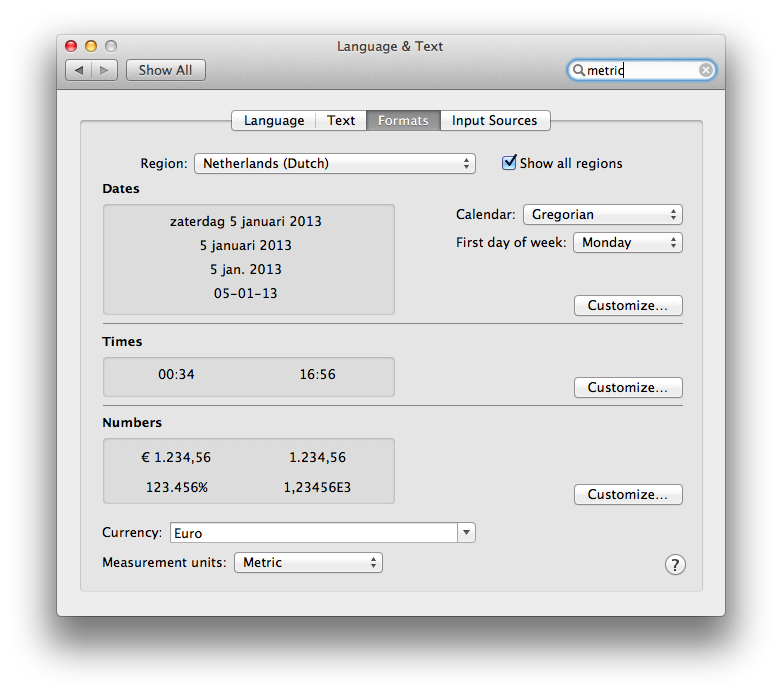
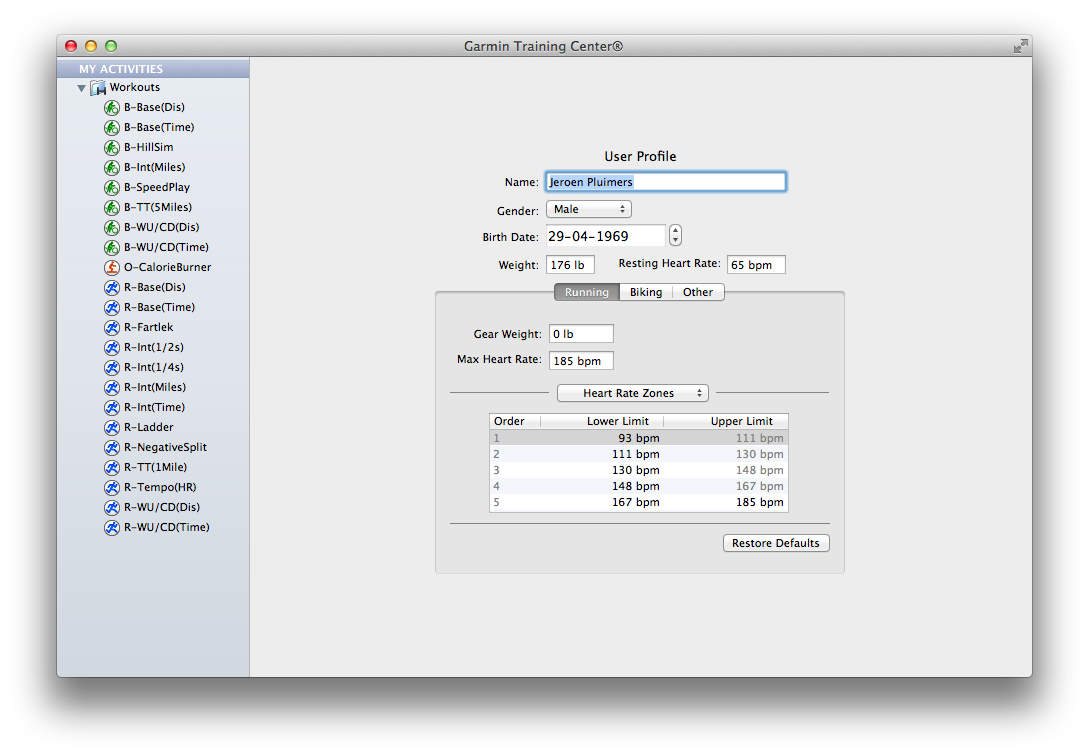
Especially since there is still software like Garmin Training Center for Mac on Mac OS X with – in the System Preferences – the Measurement Units set as Metric, insists on entering weight as lb, and workout distance in miles.
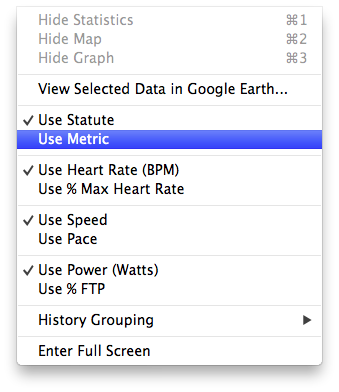
The reason is that Garmin Training Center on Mac OS X has its own “Measurement Units” settings. Where Mac OS lets the system wide setting be either “Metric” or ” US”, Garmin choose between “Metric” and “Statute” (the latter is default, not the OS X setting).
The problem is twofold:
Garmin has head offices and most of their customers outside the USA, so why insist on US units being default, and why not link the setting to the Mac OS X Preference?
UX #fail.
Oh BTW: if you connect your Garmin device, and GTC still indicates “no fitness device was found”, then use a different USB Cable and don’t connect it through a hub: the device is very picky on talking over USB (charging over USB works with virtually any USB cable).

Garmin Training Center on Mac OS X insists in imperial units, even though the system is configured as metric.

Garmin Training Center on Mac OS X has its own “Measurement Units” settings. Where Mac OS lets the system wide setting be either “Metric” or ” US”, Garmin choose between “Metric” and “Statute” (the latter is default, not the OS X setting).

Even after setting the Garmin Training Center to “Metric”, it still lists “Miles” in your workouts.
–jeroen
Posted in Google, GoogleSearch, Opinions, Power User, User Experience (ux) | Tagged: gadgets, garmin, google, imperial units, kg, mac os x, measurement units, metric, os x, software, system preferences, technology, workout | Leave a Comment »
Posted by jpluimers on 2013/01/17
Last year, I missed this tiny sentence:
So in plain English, any VM that was generated on VMware ESX Server 3.5 or later can run atop ESXi 5.1 unchanged.
Which means it is a snap to move your VMs from older ESX / ESXi / vSphere versions as long as they are ESX 3.x or later.
In fact hardware version 7 has the widest compatibility amongst ESX/ESXi/vSphere/Fusion/Workstation/Player versions (see the table at the bottom).
The free version still has a 32 gigabyte physical RAM limit (people are still confused by the vRAM / Physical RAM distinction, especially since vRAM is not limited any more). Read the rest of this entry »
Posted in ESXi4, ESXi5, ESXi5.1, Excel, Fusion, Power User, VMware, VMware ESXi, VMware Workstation, Word | Tagged: computer, hardware version, hardware versions, machine hardware, physical ram, software, technology, version compatibility, virtual hardware, virtual machine, virtual machines, vm, vms | Leave a Comment »
Posted by jpluimers on 2013/01/17
In the past you have seen my interest in multi-touch Windows devices (for instance the Dell’s S2340T 23″ Multi-touch monitor and Microsoft Surface 2.0).
This year a I expect vendors to deliver Windows 8 based computers that resemble a lot of the Microsoft PixelSense (formerly “Microsoft Surface”) technology:
- 10 or more finger touch
- guesture support
- multi-user
- capability to see more than just fingers (i.e. tags, or mobile controllers)
Lenovo seems the first to announce, with an expected availability in June 2013: IdeaCentre Horizon Table PC, with support for 10-finger, guesture, multiple-user, and two-hour battery life.
–jeroen
Posted in Development, Microsoft Surface on Windows 7, Power User, Software Development, Windows, Windows 7, Windows 8 | Tagged: battery life, computer, finger touch, gadgets, gaming, microsoft surface, technology, touch monitor, touch windows | Leave a Comment »
Posted by jpluimers on 2013/01/17
Even though the JavaRa tool is Windows-only, it is a tremendous help scraping old vulnerable versions of the Java Runtime Environment (JRE) from your systems and keeping only the fixed versions.
Regular JRE installs from Oracle/Sun will keep the old-and-vulnerable JRE versions.
(note that it seems the recent JRE update did not actually fix the vulnerability, just the exploit, and that a new Java vulnerability might already be exploited. Be sure to keep a watch upcoming Java updates for these).
JavaRa
JavaRa is an effective way to deploy, update and remove the Java Runtime Environment (JRE). Its most significant feature is the JRE Removal tool; which forcibly deletes files, directories and registry keys associated with the JRE. This can assist in repairing or removing Java when other methods fail.
JavaRa 2.1 (released 20130116) Read the rest of this entry »
Posted in Development, Java, Power User, Software Development, Windows, Windows 7, Windows 8, Windows Server 2000, Windows Server 2003, Windows Server 2003 R2, Windows Server 2008, Windows Server 2008 R2, Windows Vista, Windows XP | Tagged: commandline arguments, internet, java jre, java runtime environment, java updates, java version, java vulnerability, software, technology | 1 Comment »
Posted by jpluimers on 2013/01/17
The PDF Archive at bitsavers.org has recently put online these raster image PDF scans from Turbo Assembler/Debugger (1993/1994) and Borland C++/Object Windows Library (1993)
Remnants of the past, usefull for RAD Studio, Delphi and C++ Builder developers wanting to know a bit of history (: Read the rest of this entry »
Posted in Assembly Language, BitSavers.org, Borland C++, C, C++, Delphi, Development, History, Pascal, Software Development, Turbo Assembler, Turbo Pascal, x86 | Tagged: assembler version, borland C++, computer, object windows library, programmers guide, software, technology, turbo assembler | 2 Comments »
Posted by jpluimers on 2013/01/12
Large capacity notebook HDD drives
It appears that finally this kind of laptop HDD drives have arrived:
- 1.5 TB capacity
- 2.5 inch
- 12.5 mm high (fits few standard drive bays, but often fits an adapter for the CD/DVD drive bay)
I’ve hoped for these drives to appear for a long time, and wrote blog posts on it in March 2012 (HDD market seems recovered, and WD introduced 4 TB 3.5 HDDs: when are 2.5 inch 12.5 mm 1.5+ TB drives coming?) and September 2012 (When are the 12.5mm 1.5 TB and 14.8mm 2 TB notebook drives coming?).
Finally they seem to be there, but there is still confusion of model number and exact drive height, so here are some links that I collected with information:
The YouTube video indicates the Seagate drive inside the GoFlex is indeed 12.5 mm high, but doesn’t reveal the product number of the drive.
Given the below Toshiba model numbers and specs, my gut feeling is that they are all the same drive (USA pricing currently varies between USD 125 and USD 140):
- MQ01ABC150: Toshiba, 1.5TB, 2.5 inch, 12.5 mm, SATA 3.0 Gb/s, 5400 rpm, 8 MB cache.
- MQ01ABD150: Toshiba, 1.5TB, 2.5 inch, 12.5 mm, SATA 3.0 Gb/s, 5400 rpm, 8 MB cache.
- PX1830E-1HK0: Toshiba, 1.5 TB, 2.5 inch, 9?? mm, SATA 3.0 Gb/s, 5400 rpm, 8 MB cache.
Large capacity notebook SSD drives
In the mean time, the largest capacity of SSD drives available is approximately 1 TB:
Not available yet, but announced:
It looks like most (if not all) 960 GB drives internally use some form of RAID 0. The OWC is, and the Mushkin is too, but the M500 might be non-raid (we will know for sure after it ships) as it is supposed to use 128 Gb NAND dies (the OCZ Octane does, but when it got introduced, these were really expensive).
–jeroen
Posted in Hardware, Power User, SSD | Tagged: computer, drive bays, micron technology inc, notebook hdd, ocw, ssd, ssd drives, technology | Leave a Comment »
Posted by jpluimers on 2013/01/09
A few recent rumour and news items:
Since a MacBook Air fits the Ultrabook description perfectly, I dreamed that this might lead to a MacBook Air with Haswell and Touch.
And I’m not the only one dreaming that dream (:
What would you favour, MacBook Air with Touch, Retina or both?
–jeroen
Posted in Opinions | Tagged: Apple, apple macbook, gadgets, retina, technology, wikipedia | Leave a Comment »




 The Wiert Corner - irregular stream of stuff